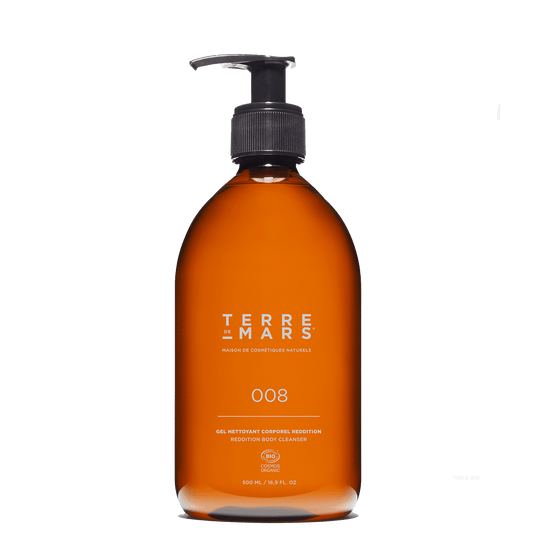
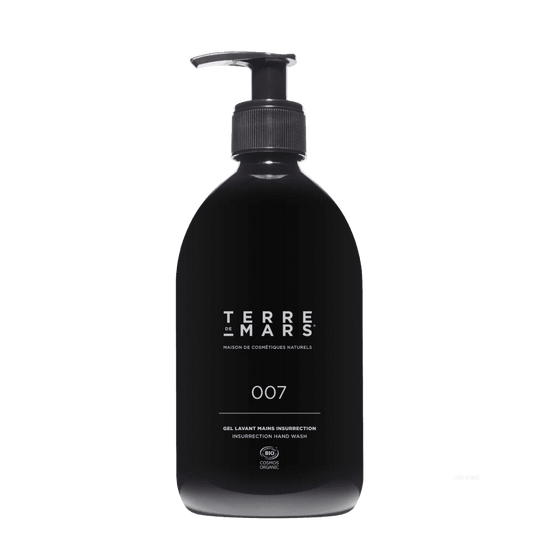
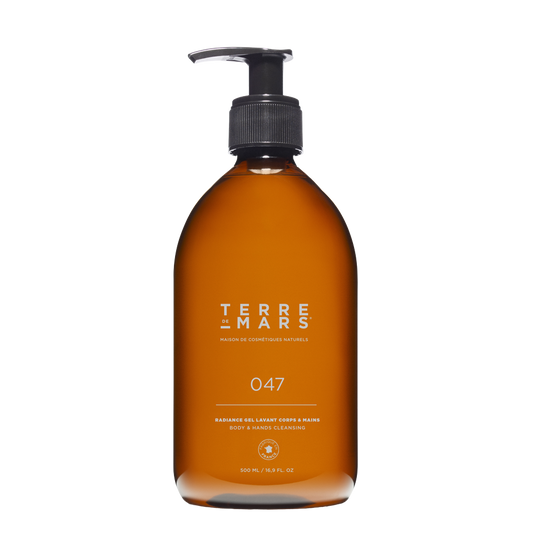
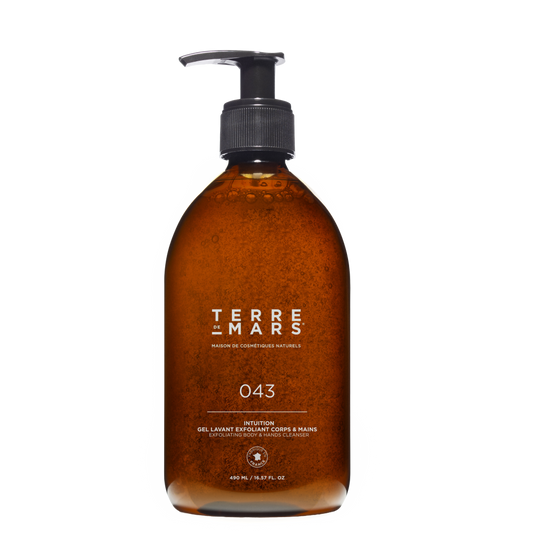
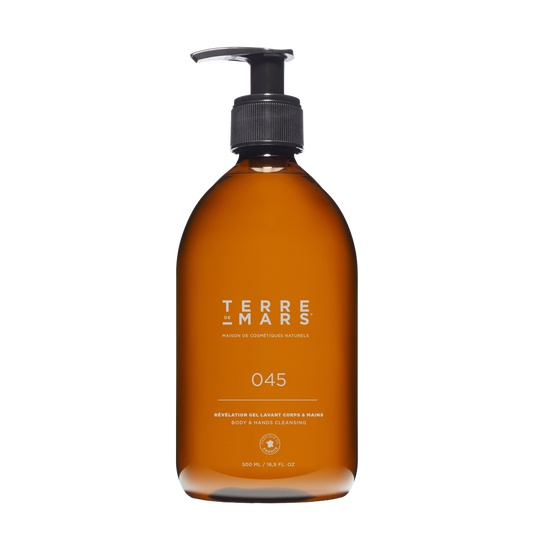
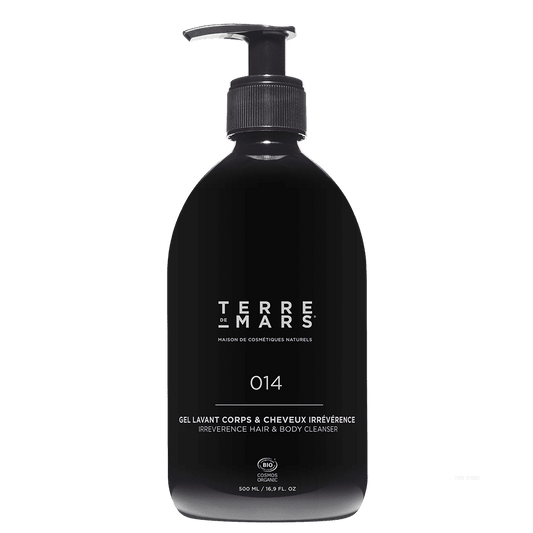
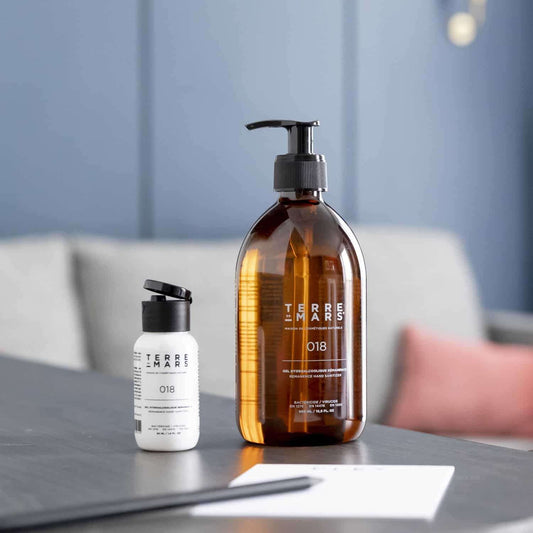
The question may seem contradictory. A shower gel is rinsed off; it does not stay on the skin, so how could it hydrate? And yet, after some showers the skin feels tight, while after others it stays supple. The difference is not random; it comes down to the formula. Here is an honest answer, backed by measurement rather than a promise.
Why a regular wash dries out the skin
The skin is protected by a hydrolipidic film, a blend of water, lipids, and molecules that help retain moisture. This film is your first barrier against dehydration, and it naturally rebuilds itself between washes.
Many shower gels rely on very harsh surfactants. Effective at removing dirt, they also strip away this protective film. As a result, the skin barrier is weakened, water evaporates faster, and the feeling of tightness appears in the minutes after the shower.
Tightness is therefore not a sign of cleanliness, contrary to a common belief. It is a sign of a skin barrier that has been damaged by overly aggressive cleansing. Well-cleansed skin should feel comfortable, not tight.
How a formula can limit, or even reverse, this effect
It all comes down to the choice of surfactants and the active ingredients combined with them. A formula designed with skin comfort in mind relies on gentle cleansing agents and ingredients that preserve or strengthen the hydrolipidic film.
In this case, after use the stratum corneum is better supplied with water than before washing. The skin is cleansed without being stripped, and comfort replaces tightness. That is exactly what we set out to verify, rather than simply claim.
When shopping, a few clues can help you identify a skin-friendly formula: a promise of gentleness that matches the ingredient list, a mention of tolerance, and ideally proof of measured effectiveness. Fragrance, on the other hand, is a matter of taste and tells you nothing about cleansing quality.
What the measurements show for our formulas
To answer the question directly, we had the effect of our cleansing products measured by corneometry, a method that assesses the hydration of the upper layers of the epidermis.
The readings, taken by an independent laboratory on panels of 12 to 22 volunteers, show up to +36 % hydration in the upper layers of the epidermis depending on the product. Precision matters: this is surface hydration, the kind that determines immediate skin comfort, not a deep action.
This nuance does not weaken the result; it makes it credible. A cleansing gel is not meant to penetrate the deeper layers. Its success is decided at the surface, where the feeling of tightness begins, and that is precisely where the effect is measured.
The right step to preserve the benefits
A skin-friendly formula performs at its best when the rest of your routine supports it. A few simple habits help extend the comfort gained in the shower, especially in winter, when dry air and heating increase dehydration.
- Choose lukewarm water rather than hot, since heat dissolves the skin's protective lipids.
- Shorten your shower slightly, as the length of time spent in hot water also affects skin comfort.
- Pat yourself dry rather than rubbing, so you do not irritate skin that is still fragile.
- Apply a body lotion within minutes, while the skin is still slightly damp, to help trap water at the surface.
-
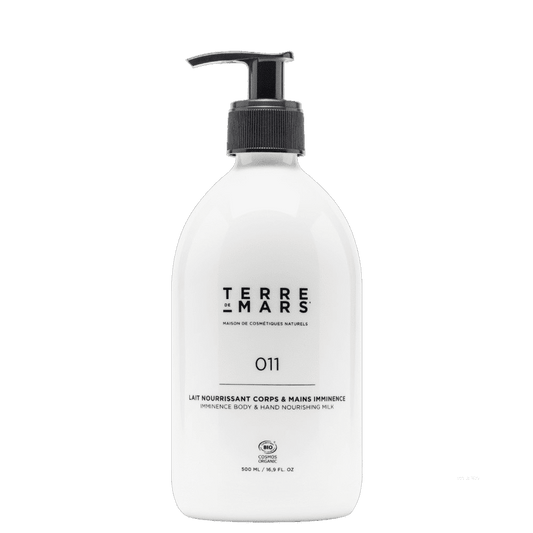
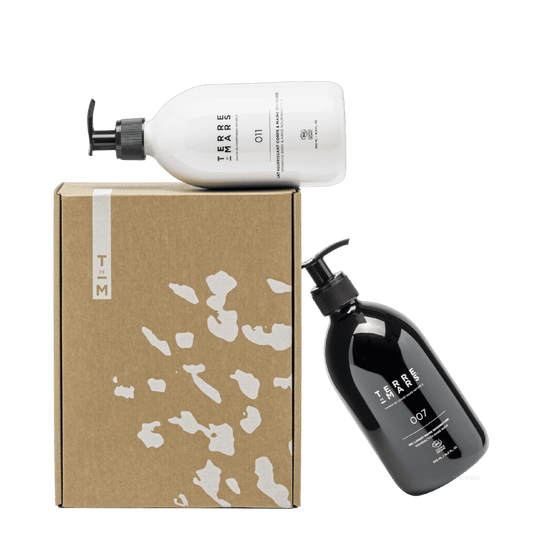
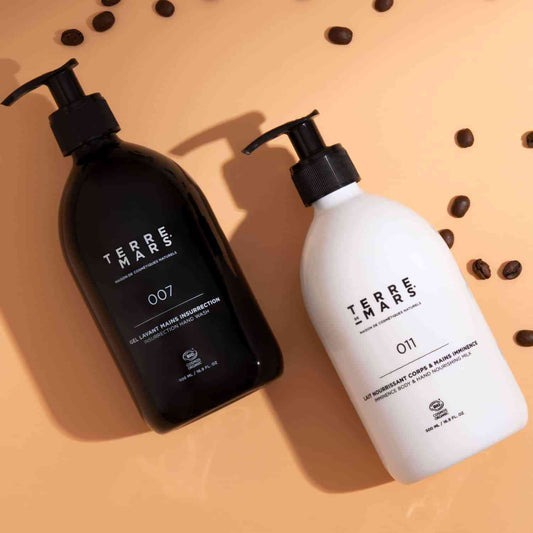
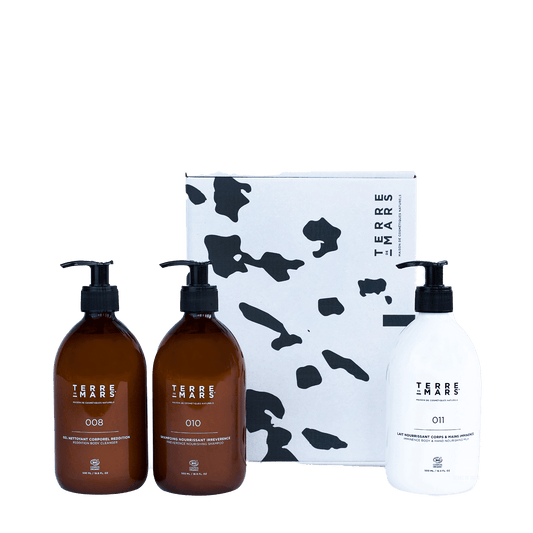
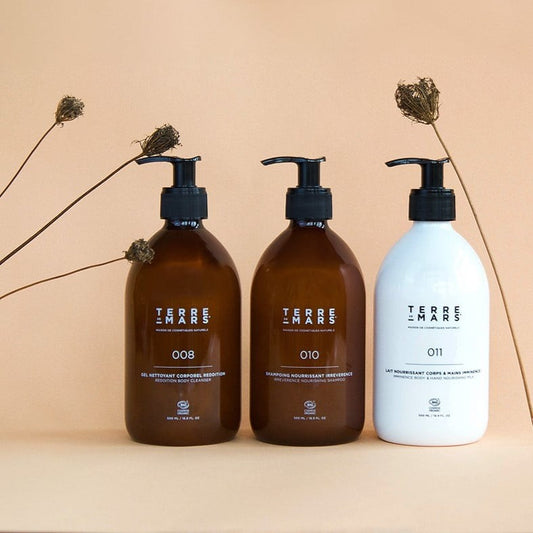
On that last point, the Nourishing Body & Hand Lotion Imminence takes over from the cleansing gel and helps maintain comfort throughout the day.
To understand the method behind this figure, read our article dedicated to corneometry.