On organic cosmetics packaging, logos are everywhere. COSMOS, Ecocert, Cosmébio, Vegan, Cruelty Free: all claims meant to reassure, yet they often create confusion. What does each one actually guarantee? This guide brings clarity to the labels, so you can buy with full knowledge of the facts.
Why labels exist
The word organic is not protected in cosmetics the way it is in food. Without a framework, any brand could claim a level of naturalness that is hard to verify. Labels fill that gap: they are based on precise standards and oversight by an independent body. A logo is therefore not just decorative marketing, but the outcome of a certification process.
COSMOS, the benchmark standard
COSMOS is an international standard that harmonizes the requirements for organic and natural cosmetics across Europe. It sets strict rules on the origin of ingredients, manufacturing processes, packaging, and environmental responsibility. The COSMOS Organic label corresponds to the highest level of requirements, with a high threshold of ingredients sourced from organic farming.
This standard now serves as a common foundation for several certification bodies, which is why COSMOS is often paired with another name on packaging.
Ecocert and Cosmébio, two names you often see
Ecocert is one of the main certification bodies, responsible for checking that products fully comply with the COSMOS standard. Its presence confirms that an independent third party has verified the formula and its manufacturing process for compliance.
Cosmébio is a French trade association that promotes organic and eco-friendly cosmetics. Its logo, backed by the COSMOS standard, signals the brand's commitment to this approach. Ecocert and Cosmébio are therefore not in opposition: they operate at complementary levels, with certification on one side and promotion of the sector on the other.
Vegan and Cruelty Free, different commitments
Two other claims appear frequently, and they do not mean the same thing as organic.
- Vegan means that the formula contains no animal-derived ingredients.
- Cruelty Free means that the product has not been tested on animals. PETA certification is one of the recognized references in this area.
A product can be vegan without being organic, or organic without being vegan. These labels can be combined, but they address distinct concerns: composition for organic, the absence of animal-derived ingredients for vegan, and testing ethics for cruelty free.
Our certifications
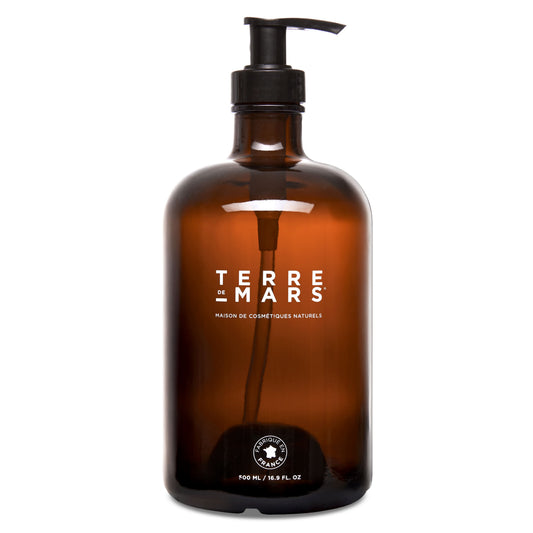
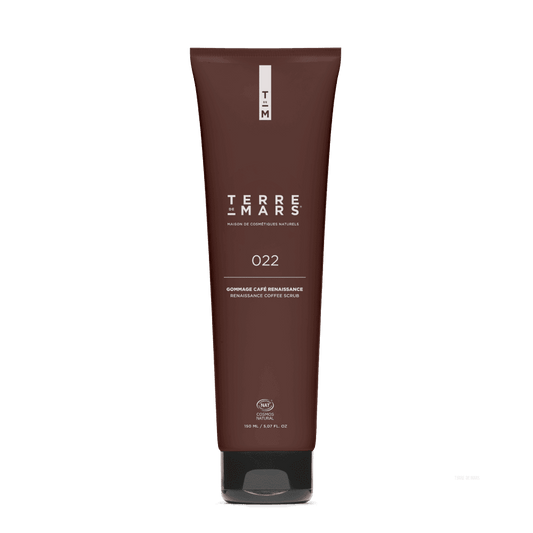
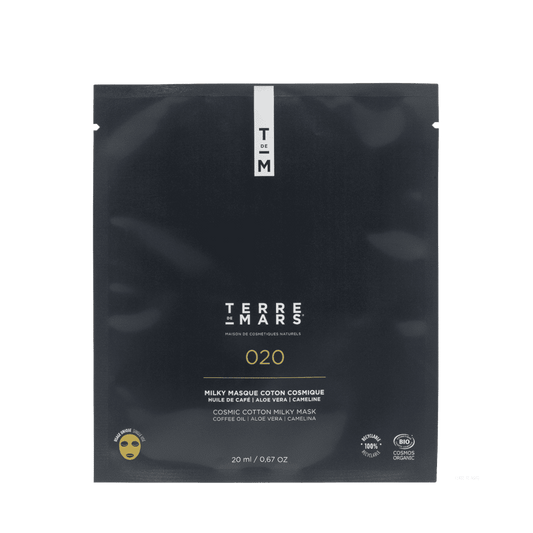
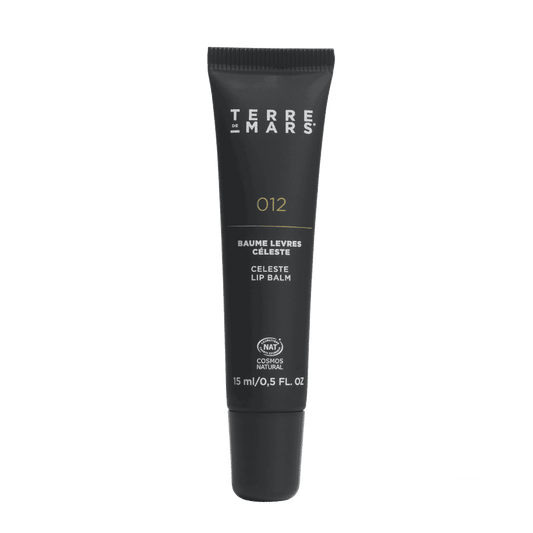
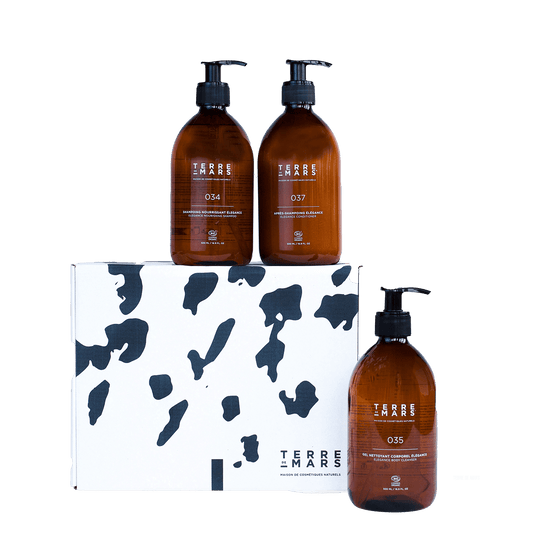
Our skincare products are COSMOS certified and certified Cruelty Free and Vegan by PETA, made in France. This combination meets three requirements at once: an ingredient list governed by a recognized organic standard, no animal-derived ingredients, and no animal testing.
To understand how these commitments are reflected in our formulas, browse our ingredients page, and to discover the story of the house, our about page.
Labels should also be read in light of the ingredient list. Our guide to reading an INCI list helps you cross-check the two pieces of information.