


Body oil, the ultimate guide

Stretch marks, dry cracked skin, cellulite, heavy legs: plant oils are the remedy for many ailments. However, with so many body oils available, it's often hard to know which one to choose. Which oil should you choose for your body? How do you choose a nourishing oil without leaving your skin feeling greasy? Which body oil should you choose to tackle heavy legs? These are just some of the questions Terre de Mars answers in this ultimate guide to body oil based on your skin type.
What is the best oil for the skin?
Whatever your skin type, using a body oil, or even a body and hair oil is an excellent beauty routine. Plant oils are the most widely used because they are of course free from any chemical ingredients and they nourish the skin deeply.
Argan oil, sweet almond oil, castor oil, coconut oil, or jojoba oil: plant oils are suitable for dry skin, combination skin, and oily skin too. The best body oils are also those rich in vitamins and antioxidants, such as oils made with coffee extract.
Even though plant oils absorb perfectly well into the body, some people prefer a less greasy feel on their skin. In that case, it is possible to enjoy the benefits of sunflower oil or aloe vera in very moisturizing body lotionsvery moisturizing body lotions.
To apply your body oil to your legs, it is best to start at the bottom, massaging all over the foot before moving up the legs and also giving a massage to help it absorb. If you wear tights a lot during the winter season, you can apply your body oil every day, especially after a scrub. The oil will then be much easier to absorb into the body after all dead skin and small impurities have been removed.
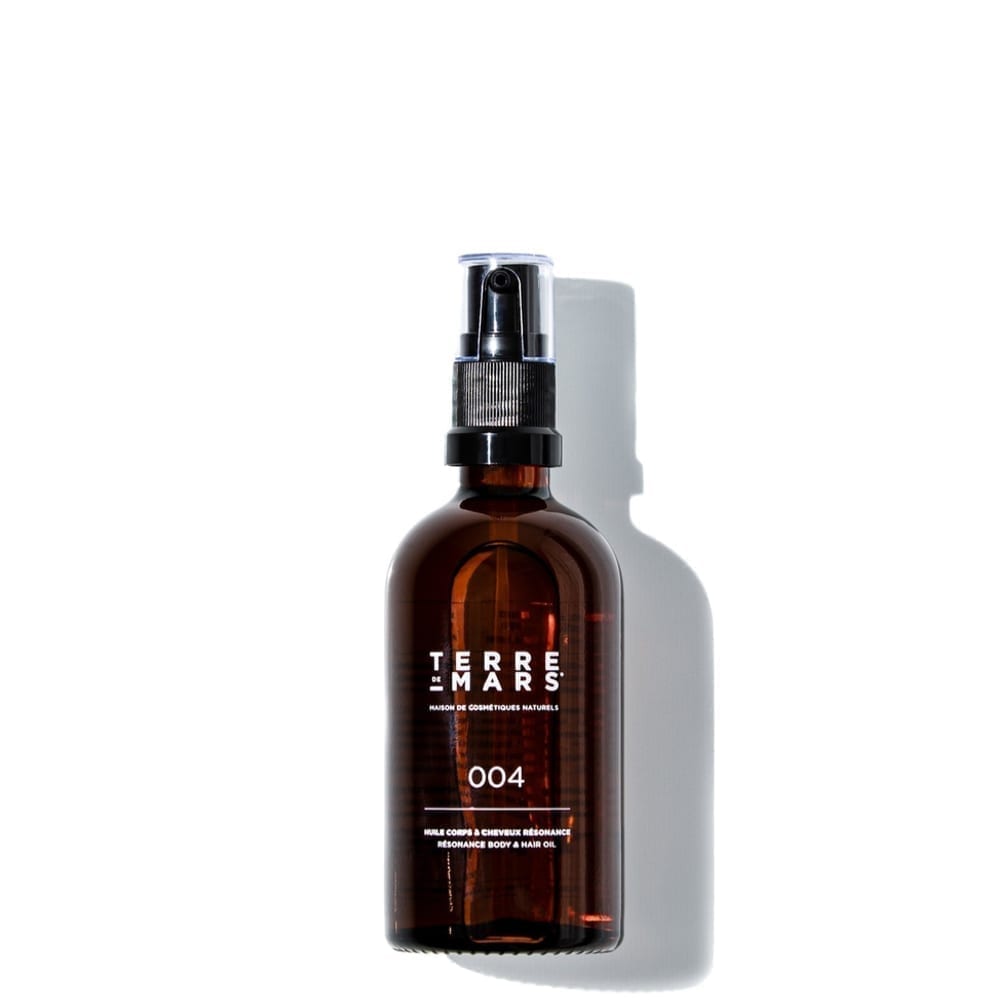
What is the most nourishing oil for the skin?
Several oils can be considered very nourishing for the skin. However, coconut oil, which is used in many body oils, is very effective. It is 100% natural plant oil, both nourishing, softening, anti-aging, and healing. Its benefits are many, and it can be used for both the body and the hair.
Castor oil is therefore a particularly popular oil to use ashair and beard oil. Not only does it make hair and facial hair very soft and easy to style, but it also helps it grow. It is therefore a body oil that is suitable for both women and men, who can enjoy an especially silky beard. Castor oil is also very good for stretch marks or minor scars, as it softens the skin and helps reduce the appearance of marks.
Finally, Buriti oil is an oil that provides excellent hydration and also helps brighten the complexion. It is naturally found in facial oils because it creates good protection against damage caused by pollution or wind.
How do you use body oil?
Using a body oil follows a very specific routine in order to get the best possible benefits from it. Contrary to what one might think, body oil is applied to damp skin, not dry skin. Indeed, on damp skin an emulsion forms on the surface, allowing the active molecules to penetrate deeply into the epidermis.
Once the skin has been patted dry, you can apply your body oil by simply placing a small amount in the palm of your hand. You can do the same if you want to apply your facial oil.
Which body oil for dry skin?

Is your skin dry and regularly causing irritation and itching? In that case, it is essential to nourish it with a body oil for dry skin. Choosing the right body oil is important because it helps maintain the quality of the hydrolipidic film, this natural barrier that keeps your skin hydrated.
For dry skin, 4 oils are good for achieving proper hydration:
- Coconut vegetable oil with strong nourishing power
- Shea butter, which repairs damaged skin and helps it regain proper hydration
- Avocado vegetable oil, which helps dry skin regain elasticity and calms minor itching discomfort.
- Jojoba oil, which nourishes the skin and makes it softer
Skin hydration must be sufficient to protect it from cold, wind, and pollution, which promote the transformation of skin into dry skin. In fact, it is possible to use body oils containing 13 bi-active ingredients such as jojoba oil and coconut oil, or even a specific facial oil. Non-greasy, Buriti oil-based facial oil helps deeply hydrate the face while also brightening the complexion.
Which body oil for oily skin?
When you have oily skin, using a body oil may seem contraindicated. And yet! Some body oils are perfectly suited to oily skin. Among them is jojoba oil, which is very similar to the sebum produced by the body. Because of its formula, a body oil based on jojoba oil may even help regulate sebum production.
In addition, this plant oil helps restore suppleness and elasticity to the skin by slowing water loss in the cells.
Which body oil for heavy legs?
Do you often have heavy legs, with a feeling of heaviness in the calves and swollen ankles? Know that it is possible to relieve heavy legs naturally thanks to plant oils. To get light legs again, you can applyoils with circulation-boosting and toning active ingredients. For example, caffeine is known for its beneficial effects on microcirculation. Oils combined with Cypress or Patchouli essential oils have toning and decongesting effects. If coffee extract helps activate microcirculation, you can also use oils with soothing ingredients such as safflower vegetable oil.
Which body oil for stretch marks?
After pregnancy or significant weight gain, stretch marks are not uncommon. These unsightly marks are often due to a lack of skin elasticity. However, solutions exist to help prevent them with body oils or reduce their appearance.
The best way to protect yourself against stretch marks is to maintain good skin elasticity with plant oils rich in phospholipids. You can boost their effectiveness with a healthy diet and by consuming vitamins B, C and E, and by eating avocados or oily fish.
Once stretch marks appear, it is essential to regenerate the skin with retinoids contained in rosehip oil, wheat germ oil, or castor oil.
Which body oil for cellulite?

Plant oils are wonderful allies in the fight against orange peel skin and cellulite. A massage oil with firming properties that helps release stored fat is ideal. If you do not have massage oil, you can apply a body oil with coffee extract. Caffeine is a powerful ally against cellulite and also helps firm the skin and fight orange peel skin. To increase the benefits of body oil, you can also add a coffee scrub. Done before applying the oil, it removes dead skin and helps the oil penetrate better.
In this oil, you can also add a few drops of grapefruit essential oil and sea fennel essential oil. Both are known for their beneficial effects on orange peel skin and cellulite.
Which body oil for sensitive skin?
Sensitive skin mainly needs an oil that soothes feelings of tightness and irritation. It needs a body oil containing chamomile or calendula. To treat sensitive skin, you can also rely on body oils with very moisturizing power, such as coconut oil or castor oil, which provide maximum hydration and leave the skin soft.
If we are used to using nourishing body lotions to provide the hydration our body needs, using an oil is less common. Nevertheless, the benefits are very real. But speaking of oils that are beneficial for our body, do you know evening primrose plant oil (a plant also known as Evening Primrose or Oenothera Biennis) that we include in our facial oil?
And as a little bonus, Terre de Mars gives you the details on benefits in a full article, especially as an anti-aging ingredient.


